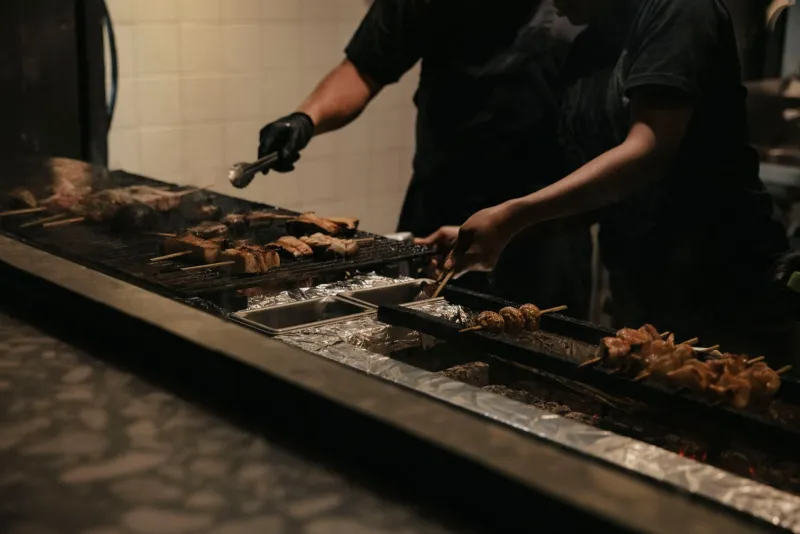
Mastering the Char: The Chemistry, Craft, and Heat Behind a Flawless Crust
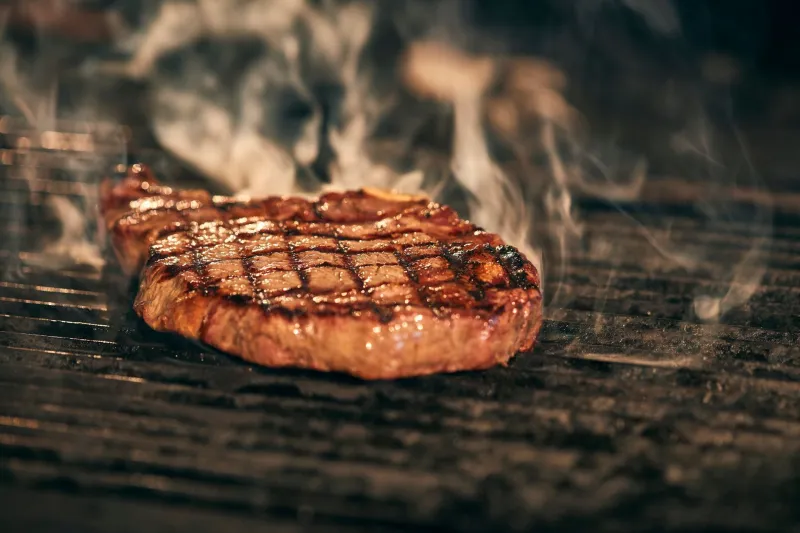
There is a moment at the grill — brief, almost electric — when raw protein meets searing charcoal heat and something transformative occurs. The surface darkens, the aroma deepens, and a crust forms that no oven broiler or gas flame can quite replicate. That moment is not accidental. It is the product of chemistry, physics, and the kind of disciplined technique that separates a memorable meal from a forgettable one.
At Charcoal Dining, we believe that fire is an ingredient as essential as salt or time. To understand how to wield it with precision, we consulted some of the most respected open-fire cooks working in American kitchens today.
The Maillard Reaction: Where Flavor Is Born
Before discussing wood types or temperature gauges, one must appreciate the foundational science at work. The Maillard reaction — named for French chemist Louis-Camille Maillard — is a series of chemical reactions between amino acids and reducing sugars that occur when food is exposed to high heat, typically above 280°F. The result is the formation of hundreds of new flavor compounds simultaneously, producing that complex, savory, slightly smoky character that defines a great crust.
"People talk about searing to 'lock in juices,' but that's a myth we've largely moved past," explains Chef Marcus Delaney, executive chef at a wood-fire concept in Nashville, Tennessee. "What you're really doing is building flavor on the surface. The crust is the flavor. Everything else is texture support."
Crucially, the Maillard reaction competes with moisture evaporation. A wet surface will steam before it sears, which is why professional cooks pat proteins thoroughly dry and, in many cases, allow them to rest uncovered in the refrigerator for several hours before grilling. Eliminating surface moisture is not a minor detail — it is a prerequisite.
Temperature Ranges by Protein: Precision Over Guesswork
Not all proteins respond identically to high heat, and calibrating your charcoal accordingly is essential. The following ranges reflect the consensus of the chefs we interviewed, as well as established culinary science:
Beef (steaks, burgers): The most forgiving and rewarding subject for high-heat charcoal cookery. A coal bed registering between 700°F and 900°F at grate level produces the aggressive sear needed to develop a deep mahogany crust while preserving a rare-to-medium-rare interior. Thick cuts — anything above one and a half inches — benefit from a two-zone setup: sear over direct coals, then finish over indirect heat.
Pork (chops, tenderloin): Slightly lower heat, in the 550°F to 700°F range, prevents the sugars in pork's fat from burning before the interior reaches a safe temperature. Chef Renata Osei, who runs a charcoal-forward small plates restaurant in Atlanta, recommends brining pork overnight: "The added moisture gives you a wider window before the surface scorches. It's insurance."
Poultry (spatchcocked chicken, thighs): Chicken skin demands patience. Too intense a heat and the skin chars before the fat beneath renders, yielding a bitter, flabby result. A moderate coal bed — roughly 400°F to 500°F — with the grate positioned higher allows the fat to render gradually, the skin to crisp, and the sugars in any marinade to caramelize without burning.
Fish and shellfish: These require the briefest exposure to the most aggressive heat. A screaming-hot grate, well-oiled, and a cook time measured in minutes — sometimes seconds per side — is the professional approach. The crust on a halibut fillet or a large shrimp should be a whisper of char, not a statement.
Vegetables: Perhaps the most underestimated category. Dense vegetables such as eggplant, fennel, and cauliflower develop extraordinary complexity when charred directly on coals or over very high heat. Delicate items like asparagus or scallions need no more than a few minutes at moderate heat to achieve the ideal balance of char and tenderness.
The Wood Question: Oak, Hickory, and the Fruitwood Spectrum
Charcoal is not a monolith. The wood from which it is derived carries distinct aromatic profiles that express themselves differently depending on the protein being cooked.
Oak is the workhouse of American live-fire cooking. It burns long, produces consistent heat, and imparts a clean, slightly earthy smoke that complements beef and lamb without overpowering them. Central Texas barbecue has built an entire cultural identity around post oak, and for good reason: it is reliable, widely available, and culinarily versatile.
Hickory burns hotter and produces a more assertive, almost bacon-like smoke. It is the dominant wood in the Carolinas and much of the South, pairing beautifully with pork. Used in excess, however, it can overwhelm lighter proteins. "Hickory is a condiment," says pitmaster Jerome Whitfield of a Memphis-based whole-hog operation. "A little goes a long way. I blend it with oak to keep things balanced."
Fruitwoods — apple, cherry, and peach chief among them — burn at lower temperatures and produce a mild, sweet smoke that elevates poultry, fish, and pork. Cherry wood, in particular, contributes a subtle color to the crust, lending it a reddish hue that is as visually appealing as it is aromatic. Many fine dining chefs have gravitated toward fruitwood charcoal precisely because it allows the ingredient's natural flavor to lead.
Timing, Resting, and the Discipline of Restraint
Perhaps the most common error among home grillers is impatience. Moving food too soon, flipping repeatedly, or cutting into a piece of meat immediately off the grill undermines all the work that temperature and wood selection accomplish.
A proper sear requires that the protein release naturally from the grate. If it resists, it is not ready to be turned. This is not intuition — it is physics. As the Maillard crust forms, the proteins contract and then release their grip on the metal. Forcing the flip tears the crust and defeats its purpose.
Equally important is the rest. Allowing a grilled steak or pork chop to rest for a minimum of five minutes — and up to fifteen for thicker cuts — permits the internal temperature to equalize and the juices to redistribute. Slicing immediately results in a pool of liquid on the cutting board and a drier piece of meat on the plate.
Replicating the Professional Experience at Home
The gap between a restaurant grill and a backyard setup is smaller than most home cooks assume. What separates the two is not equipment alone — it is knowledge applied consistently. Use a chimney starter rather than lighter fluid to build a clean, chemical-free coal bed. Invest in a reliable infrared thermometer to measure grate temperature accurately. Source quality lump charcoal over briquettes when possible, as lump charcoal burns hotter and cleaner.
Most importantly, resist the temptation to overcomplicate. The greatest charcoal-grilled meals in this country — from the brisket temples of Texas to the refined open-fire kitchens of New York — share a common philosophy: respect the heat, respect the ingredient, and let the char speak for itself.
That is, ultimately, what Charcoal Dining is about. Where fire meets flavor, the results are never accidental.