Burning with Purpose: How Regional Charcoal Is Giving American Restaurants a Sense of Place
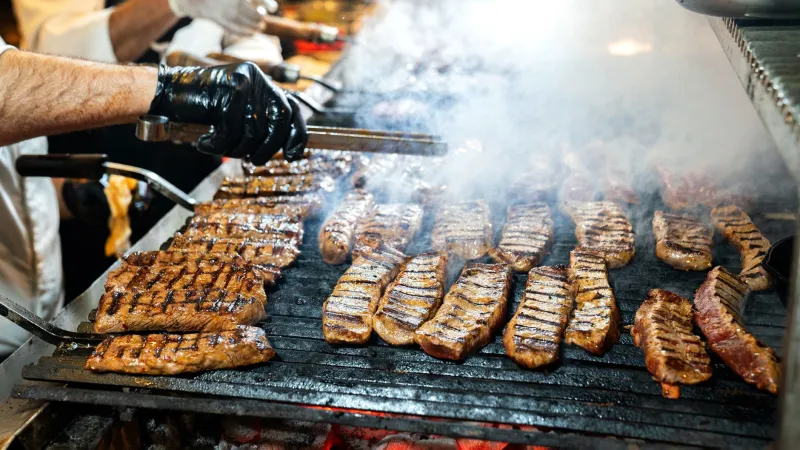
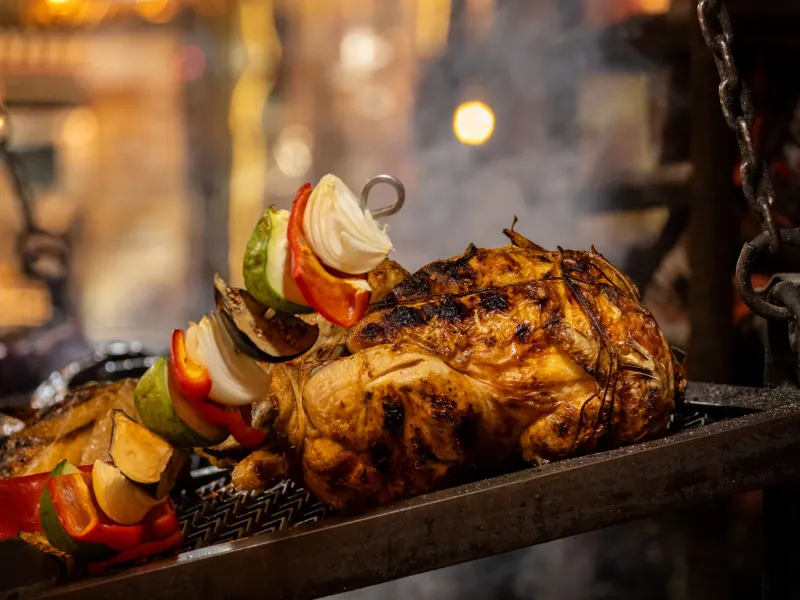
In the world of fine wine, terroir is a foundational concept — the idea that geography, soil composition, and microclimate leave an indelible imprint on what ends up in the glass. Now, a quietly ambitious cohort of American chefs is applying that same logic to the fuel that powers their kitchens. They are sourcing charcoal with the same obsessive regionality once reserved for heritage-breed proteins and single-origin grains. The wood they burn, they argue, is not incidental. It is the opening sentence of every dish they serve.
This emerging sensibility — call it char-terroir — represents a significant evolution in how serious American restaurants think about live-fire cooking. The question is no longer simply whether to cook over charcoal. It is which charcoal, from which forest, harvested from which species, and what that specific fuel contributes to the flavor architecture of a meal.
The Fuel Beneath the Food
For Chef Miriam Alcott, who helms a wood-fire-focused tasting menu restaurant in Asheville, North Carolina, the shift began with a question her guests kept asking: what made her dishes taste so distinctly of the mountains surrounding them. The answer, she realized, was not entirely found on the plate.
"We were already sourcing produce from farms within forty miles of the restaurant," Alcott explains. "But we were burning charcoal that had traveled across three state lines. It felt inconsistent with everything else we stood for."
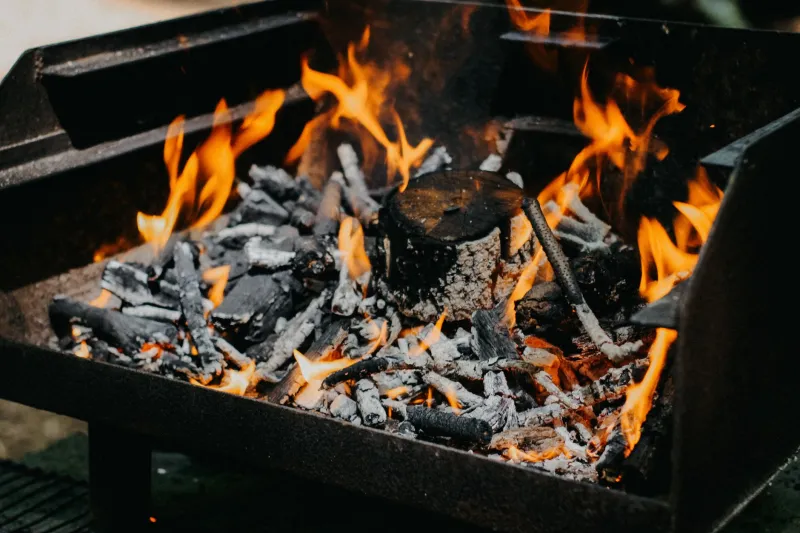
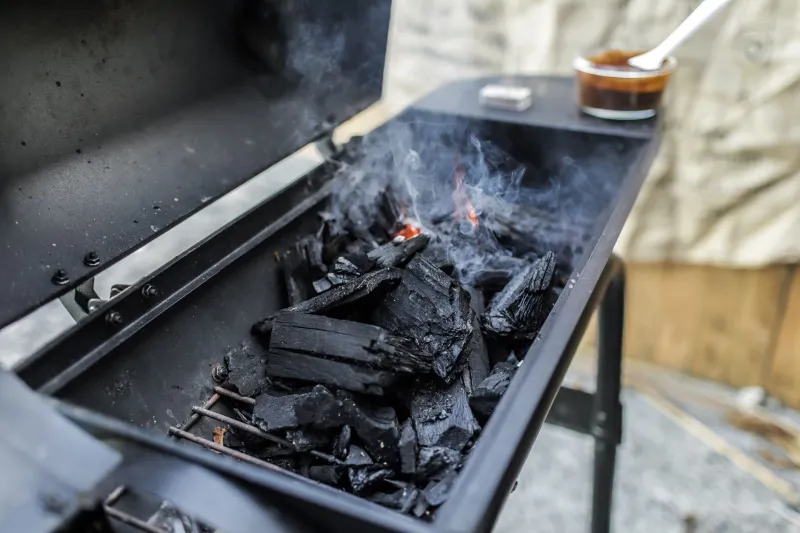
She began working with a small-batch producer in western North Carolina who converts fallen and sustainably harvested Appalachian hardwoods — primarily white oak, hickory, and black locust — into lump charcoal. The difference, she says, was immediate and unmistakable. The smoke carried a density and a faint mineral quality that she associates with the region's ancient, iron-rich soils. Her dry-aged beef now arrives at the table with a crust that she describes as tasting "like the land it came from."
Alcott is not alone in this pursuit. Across the country, chefs are making similarly deliberate decisions about their fuel, treating charcoal sourcing as an extension of their broader commitment to provenance.
Orchard Smoke and Coastal Kitchens
On California's Central Coast, Chef Daniel Reyes has built his restaurant's identity around the fruitwoods that define the agricultural landscape just beyond his dining room windows. Almond, apple, and cherry woods, converted to charcoal by a producer in the San Joaquin Valley, form the backbone of his fire program. The result is a smoke profile that is noticeably lighter and sweeter than what hardwood charcoal typically delivers — a quality that Reyes considers essential when cooking the region's delicate seafood and early-season vegetables.
"Fruitwood charcoal has a brightness to it," he says. "It doesn't overpower. It complements. When I'm grilling a Dungeness crab or a young fennel bulb, I don't want the smoke to be the loudest voice in the conversation."
Reyes has gone so far as to collaborate with his beverage director, Sonja Whitfield, to develop pairing notes that specifically account for the charcoal's contribution to the final flavor. Whitfield describes the almond-wood smoke as introducing a subtle nuttiness that she finds pairs exceptionally well with oxidative whites — Sherry-influenced wines and certain skin-contact bottlings that echo the fuel's warm, slightly toasted character.
"Guests who are paying close attention will notice that the smoke in the dish and the wine are speaking the same dialect," Whitfield says. "That kind of coherence doesn't happen by accident."
What Guests Are Actually Tasting
Skeptics might question whether diners can genuinely detect the difference between charcoal made from Appalachian hickory and charcoal sourced from Pacific orchard wood. The chefs and sommeliers engaged in this practice insist the distinction is real — and that increasingly, their guests are beginning to articulate it unprompted.
Alcott recalls a guest at her Asheville restaurant who, without any prompting from the service team, described the finish of a grilled heritage pork chop as having "something earthy and almost smoky-sweet, like walking through the woods after rain." The guest had no knowledge of the charcoal's origin. The fuel had communicated it anyway.
This is precisely the outcome these chefs are working toward — a dining experience in which the sense of place is so thoroughly embedded in every element of the meal that it becomes perceptible even to those who are not consciously searching for it.
The Sourcing Challenge
Pursuing hyper-local charcoal is not without its complications. Supply consistency remains a persistent concern. Small-batch producers, by definition, operate on limited output, and the seasonal availability of specific hardwoods means that a restaurant's fuel profile may shift subtly from one quarter to the next. For some chefs, this variability is a feature rather than a flaw — a reflection of the living, seasonal nature of the landscapes they are drawing upon.
For others, it demands a degree of flexibility and advance planning that can strain kitchen operations. Chef Alcott maintains relationships with two separate Appalachian producers to ensure she is never without her preferred fuel, and she adjusts her menu in minor ways when a particular wood variety is temporarily unavailable.
"It's not unlike working with a small farm," she observes. "You accept that the relationship requires patience and communication. And in return, you get something that a commercial supplier simply cannot offer."
A Philosophy Still Taking Shape
The char-terroir movement remains nascent, and its practitioners are the first to acknowledge that the vocabulary for discussing fuel-derived flavor is still being developed. Unlike wine, where centuries of accumulated language exist to describe regional character, charcoal cookery is only beginning to build the critical framework necessary for these conversations to reach a broader audience.
What is clear, however, is that the chefs driving this practice are not engaging in mere novelty. They are extending a deeply held conviction — that every element of a dish should reflect intention, origin, and integrity — to the very source of the heat that transforms their ingredients.
In doing so, they are redefining what it means to cook with fire. The flame, in this vision, is not a neutral force. It carries history, geography, and identity. It speaks of the forests and orchards from which it was drawn. And in the hands of a chef who is paying attention, it tells a story that begins long before the first course arrives at the table.