The Invisible Menu: How America's Charcoal Restaurants Are Branding Through Scent
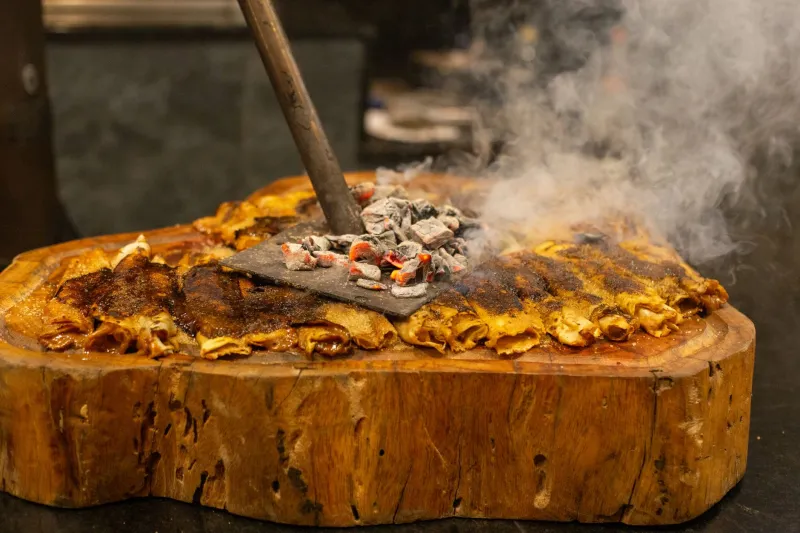
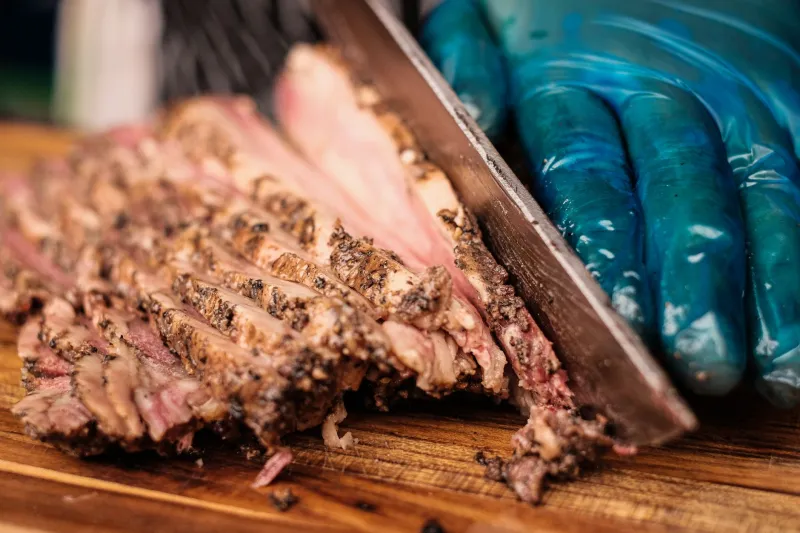
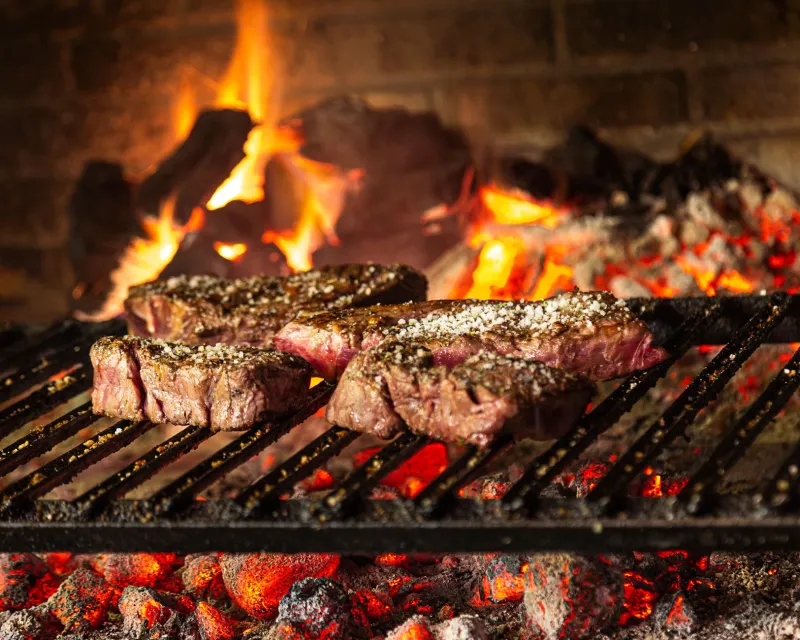
Before a diner reads the menu, before the first course arrives, before a word is exchanged with the sommelier, a charcoal restaurant has already made its most powerful impression. It has done so through scent — specifically, through the carefully engineered aromatic signature of its fire. A growing number of upscale live-fire establishments across the United States are discovering that smoke is not merely a byproduct of their cooking; it is, perhaps, their most potent branding asset.
This is not accidental. The relationship between olfaction and memory is among the most extensively documented in sensory psychology. The olfactory system connects directly to the hippocampus and amygdala — the regions of the brain most intimately involved with memory formation and emotional response. A scent encountered in a meaningful context can be recalled with striking fidelity years later, and the emotional associations it carries tend to be unusually durable. For a restaurant whose entire identity is built around fire, this neurological reality represents an extraordinary opportunity.
Engineering an Olfactory Identity
The idea that a restaurant might deliberately design its aromatic environment is not new — bakeries have long understood that the smell of fresh bread extends their marketing reach well beyond their front doors. What is newer, and considerably more sophisticated, is the degree of intentionality that some charcoal-forward fine dining establishments are now bringing to the composition of their smoke profiles.
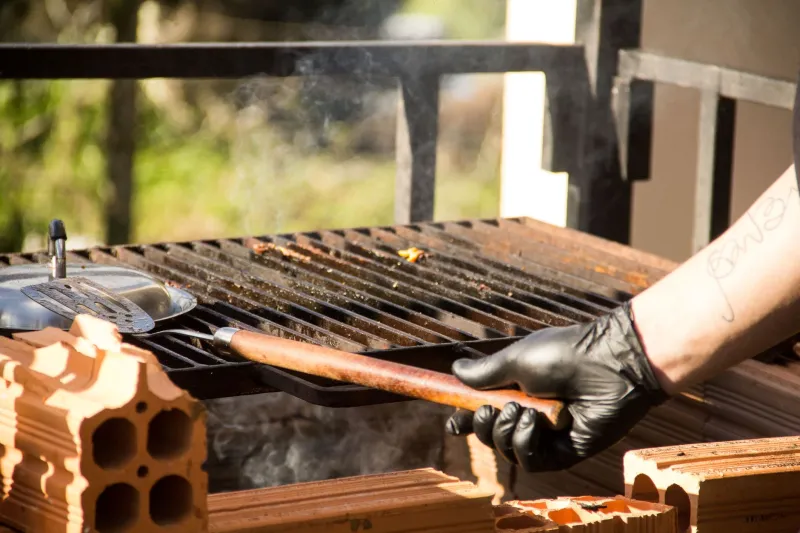
Consider the variables available to a chef working with charcoal. The base fuel itself — whether dense hardwood lump charcoal, compressed charcoal bricks, or the prized Japanese binchotan — produces measurably different aromatic compounds as it burns. Layered on top of this are the wood additions that many chefs introduce: apple wood for a delicate sweetness, mesquite for assertive earthiness, cherry for a subtle fruity undertone, hickory for the deep, resonant smoke character most Americans associate instinctively with serious barbecue. The proteins and fats that drip onto the coals during service generate their own aromatic compounds. Even the ventilation design of the dining room shapes how much of this aromatic complexity reaches the guest — and at what intensity.
Chef Adriana Reyes, who operates a live-fire tasting menu restaurant in Denver, spent nearly a year working with a flavor chemist to understand the specific volatile compounds produced by different charcoal and wood combinations. "I knew what I wanted the restaurant to smell like before I knew what the menu would be," she explains. "I wanted something that was warm but not heavy, smoky but not aggressive — something that would make you feel immediately comfortable and alert at the same time. We landed on a combination of hardwood lump charcoal with periodic additions of peach wood. It took months to get right."
The Psychology of Smoke and Memory
The emotional resonance of smoke-related aromas runs unusually deep in the American cultural psyche. For most diners, the smell of charcoal and woodsmoke carries associations that predate any restaurant experience — backyard cookouts, camping trips, family gatherings organized around a grill. These associations are overwhelmingly positive and, crucially, social. They carry an implicit promise of communal pleasure.
Upscale charcoal restaurants occupy a fascinating position relative to these associations. They are, on one level, invoking the same primal comfort that a neighborhood barbecue does. On another level, they are recontextualizing that comfort within an environment of refinement and intentionality — fine linens, considered lighting, a carefully curated wine list. The result, when executed well, is a form of emotional dissonance that resolves in the diner's favor: the warmth and accessibility of the familiar, elevated into something genuinely special.
Dr. Priya Menon, a sensory marketing researcher at a leading American university who has studied olfactory branding in hospitality contexts, describes this dynamic as "aromatic anchoring." "When a distinctive scent is consistently present during a positive experience, it becomes encoded as part of that experience," she explains. "Subsequent encounters with that scent — even outside the restaurant, even months later — can trigger a recall of the emotional state associated with the original experience. For a restaurant, that means every time a former guest smells a charcoal fire at a summer cookout, there is a neurological pull back toward the memory of their meal. That is an extraordinarily powerful form of brand reinforcement, and it costs nothing beyond the thoughtfulness required to create a distinctive smoke signature in the first place."
Consistency as a Competitive Advantage
For scent marketing to function as a genuine brand asset, consistency is essential. A smoke profile that varies significantly from service to service — because different charcoal batches are used, or because wood additions are made casually rather than deliberately — cannot form the stable olfactory anchor that drives memory and loyalty. This is one reason why the most serious charcoal restaurants treat their fuel sourcing with the same rigor they apply to their protein and produce sourcing.
Several high-profile live-fire establishments in cities including New York, Chicago, and Los Angeles now work exclusively with single-source charcoal suppliers, and some have developed proprietary charcoal blends in partnership with those suppliers. The goal is not merely quality control in the culinary sense but olfactory consistency — ensuring that the restaurant smells the same on a Tuesday in February as it does on a Saturday in July.
"Our guests notice when something is off," says one executive chef at a celebrated Manhattan charcoal restaurant, who asked to remain anonymous. "We had a situation where our usual charcoal supplier had a production issue and we used a substitute for three services. We got three separate comments — unprompted — that something felt different. Nobody said 'the charcoal was wrong.' They said things like 'it felt different tonight' or 'something was missing.' They were responding to the scent, even if they couldn't articulate it."
Smoke as Storytelling
Beyond the mechanics of memory and loyalty, there is a narrative dimension to olfactory branding that the most thoughtful charcoal restaurants are beginning to explore. A distinctive smoke profile can communicate something about a restaurant's identity, its sourcing philosophy, its regional affiliations, and its culinary values — all before a single word of explanation has been offered.
A restaurant in the American South that builds its aromatic signature around hickory and pecan charcoal is making a statement about its relationship to regional tradition. A coastal California restaurant that uses fruit-wood additions to produce a lighter, more delicate smoke character is signaling something different — a commitment to restraint and local agricultural connection. These are not arbitrary choices; they are, at their best, coherent expressions of culinary identity communicated through the oldest and most emotionally direct of all the senses.
In this light, the smoke rising from a charcoal grill is not merely a sign that cooking is underway. It is, for the restaurants that have learned to harness it deliberately, the opening line of a conversation with every guest who walks through the door.