Fuel as Ingredient: How America's Most Ambitious Chefs Are Treating Charcoal Like a Spice
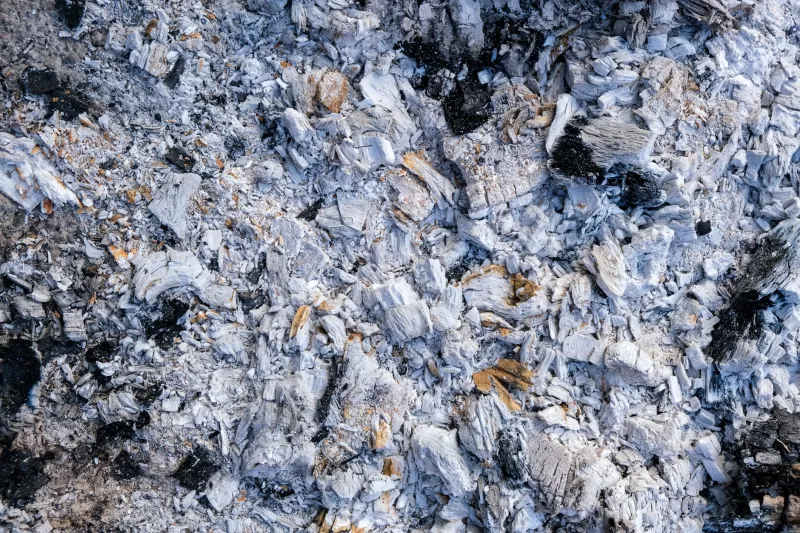
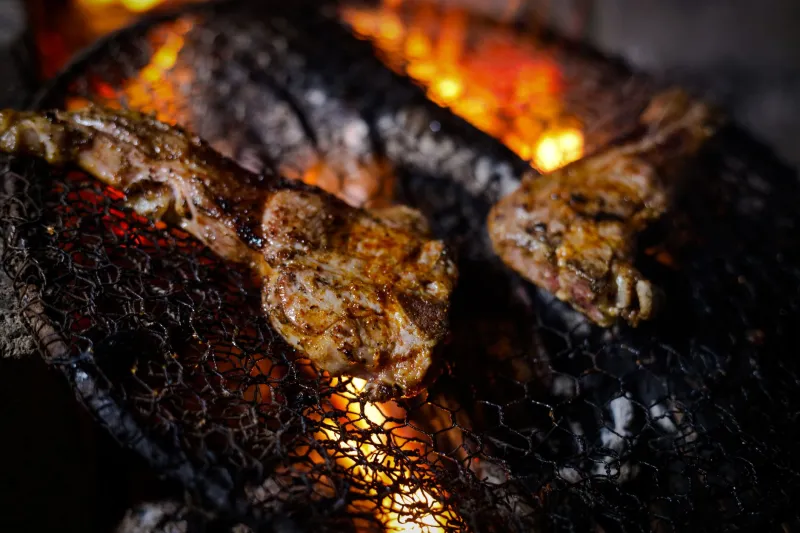
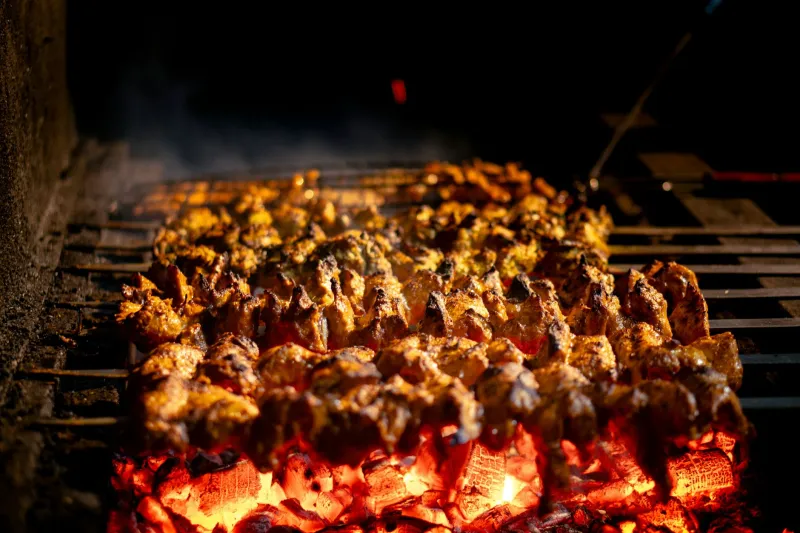
There is a quiet revolution unfolding beneath the surface of American fine dining — not in the dining room, and not even on the plate, but in the very fuel that generates the heat. Across the country, chefs are arriving at a singular conclusion: that charcoal, long regarded as an anonymous utility, carries within it a vocabulary of flavor as complex and place-specific as the finest wine.
The parallel to viticulture is not incidental. In wine, terroir describes the way geography, soil composition, climate, and cultivation converge to produce a flavor that cannot be replicated elsewhere. Increasingly, a similar logic is being applied to charcoal — the idea that wood harvested from a specific region, carbonized under particular conditions, and burned at a controlled temperature imparts qualities to food that are genuinely irreproducible with any other fuel source.
The Flavor Map of American Hardwoods
Not all charcoal is created equal, and the distinctions begin long before the first ember catches. American hardwoods offer a remarkably broad flavor spectrum, one that attentive chefs have only recently begun to map with precision.
Oak, perhaps the most widely used charcoal base in American fine dining, delivers a long, even burn with a flavor profile that is bold but measured — earthy, slightly tannic, with a warmth that integrates well into beef and lamb without overwhelming more delicate proteins. Hickory, by contrast, is assertive and almost savory in its smokiness, lending a dense, almost bacon-like resonance that pairs naturally with pork and game. Chefs working along the Gulf Coast have long favored pecan, which burns clean and sweet with a nutty aromatic quality that flatters shellfish and poultry in ways that hickory simply cannot.
Further afield, applewood charcoal — popular in the Pacific Northwest and increasingly sourced from legacy orchards in the Mid-Atlantic — introduces a fruit-forward, mildly floral character that has become a signature note in a number of tasting menus featuring duck and cured fish. Cherry wood occupies similar territory, though its smokiness carries a deeper, more resinous quality that lends itself to slow-cooked preparations where time allows the subtleties to fully develop.
Specialty and Regional Charcoals: The New Frontier
Beyond the familiar canon of American hardwoods, a niche but rapidly expanding market for specialty charcoals has begun to reshape what is possible at the high end of live-fire cuisine.
Binchotan, the dense Japanese white charcoal derived from ubame oak, has been present in American kitchens for well over a decade, prized for its near-odorless burn and exceptionally high, consistent heat. Its influence on yakitori and omakase-style grilling is well documented. What is newer is the way American chefs are beginning to integrate binchotan not as a cultural reference but as a technical tool — deploying it selectively within multi-fuel setups to achieve a finishing heat that imparts no additional smokiness, allowing the flavor of a previous charcoal stage to remain undisturbed.
South American quebracho charcoal, derived from the iron-hard quebracho tree of Argentina and Paraguay, has found a devoted following among chefs with a background in asado-style cookery. Its remarkably dense cellular structure produces a burn that lasts significantly longer than most domestic hardwoods and at temperatures that make achieving a deep, even sear far more reliable. Several Texas-based fine dining establishments have begun sourcing it specifically for prime cuts that require extended exposure to high radiant heat.
Perhaps most intriguing is the emerging category of domestically produced specialty charcoals made from unconventional materials: grape vine cuttings from California wine country, bourbon barrel staves from Kentucky distilleries, and even citrus wood harvested from Florida orchards. Each carries a flavor signature that is at once local and entirely distinctive, offering chefs a tool for expressing regional identity through the medium of fire itself.
Building a House Flavor from the Ground Up
For a small number of chefs, the selection of charcoal has evolved beyond experimentation into something more deliberate — the construction of a house flavor, a sensory signature as recognizable as a chef's knife technique or a signature sauce.
The process typically begins with extensive side-by-side tastings, in which the same protein or vegetable is cooked over multiple fuel sources under otherwise identical conditions. The differences, initially subtle, become more pronounced with repetition and attention. Chefs describe learning to identify the specific flavor contributions of individual charcoals the way a trained palate learns to identify oak in wine or peat in whisky — through accumulated experience and deliberate focus.
Once a preferred fuel or fuel blend is identified, the question becomes consistency. Specialty charcoal sourcing is not without its complications. Regional hardwood charcoals are subject to the same seasonal variability as any agricultural product, and the artisan producers who supply the most distinctive materials often operate at limited scale. Several chefs have responded by entering into direct sourcing relationships with specific producers, ensuring priority access to consistent batches and, in some cases, commissioning custom carbonization specifications.
The Sensory Logic of Terroir-Driven Fire
The case for treating charcoal as a flavor ingredient rests on straightforward sensory science. When organic material undergoes pyrolysis — the transformation of wood into charcoal through high-temperature, low-oxygen combustion — volatile aromatic compounds are produced that vary significantly depending on the wood's species, density, moisture content, and the conditions under which it was carbonized. These compounds, including guaiacol, syringol, and various furans, are the same molecules responsible for the perceived smokiness and complexity in grilled and smoked foods.
The specific ratio and concentration of these compounds differs meaningfully between hardwood species, which is why food cooked over hickory smells and tastes different from food cooked over applewood, even when the cooking method, temperature, and timing are identical. What chefs are doing, in essence, is learning to manipulate this chemical vocabulary with intention — choosing fuels the way a perfumer chooses base notes, for the specific aromatic qualities they introduce into the finished dish.
A New Dimension of Culinary Identity
The implications for American fine dining are significant. As the broader culture continues to embrace transparency about sourcing and provenance — in produce, in proteins, in fermented goods — charcoal represents an underexplored frontier. A restaurant that can articulate not only where its beef was raised but precisely what wood fueled the fire beneath it is making a statement about culinary philosophy as much as about flavor.
For diners increasingly attuned to the idea that great food is the sum of countless deliberate decisions, the fuel that generates the heat is no longer a footnote. It is, as a growing number of America's most serious chefs are demonstrating, the foundation upon which everything else is built.