From Suburban Yards to Culinary Showrooms: How American Home Grillers Are Raising the Bar
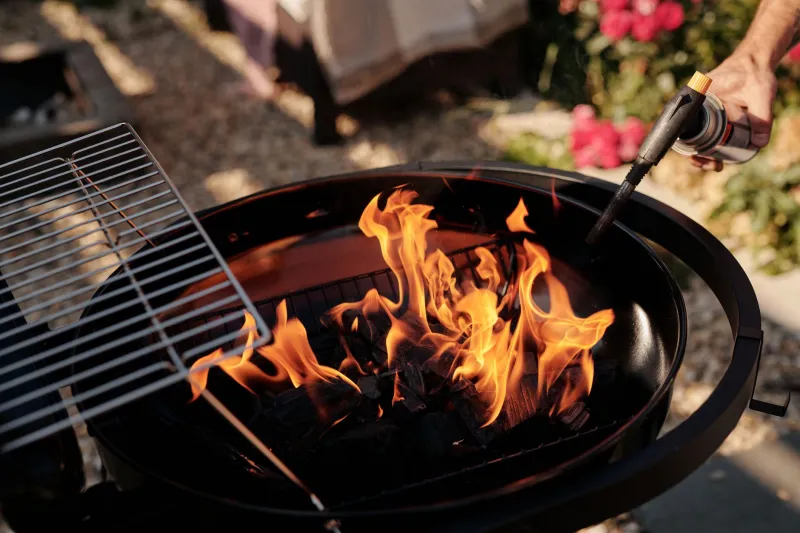
Not long ago, the American backyard grill was a modest proposition: a kettle or a gas unit, a bag of briquettes from the grocery store, and a pair of tongs handed down from a parent or grandparent. The ritual was beloved, but the ambition was modest. That picture has changed considerably. Across the country, a growing cohort of home cooks is investing in Argentine-style parrillas, ceramic kamado grills, custom-fabricated Santa Maria rigs, and offset smokers that would look at home behind the line of a Michelin-recognized kitchen. The backyard, once a place for casual cookouts, is becoming a proving ground for serious fire craft.
The Equipment Shift
Walk through the showroom of any premium outdoor cooking retailer in cities like Austin, Nashville, or Portland, and the transformation is immediately apparent. Where mass-market kettles once dominated the floor, you now find Argentine open-fire grills with adjustable grates, ceramic cookers capable of holding temperature within a few degrees for eighteen hours, and custom steel fabrications built to the specifications of individual buyers. Prices that once seemed reserved for commercial kitchens — anywhere from two thousand to well over twenty thousand dollars — are increasingly common in residential purchases.
Manufacturers have taken note. Companies such as Grillworks, Kalamazoo Outdoor Gourmet, and Engelbrecht Grills have reported sustained growth in residential sales, with buyers citing restaurant experiences as a primary source of inspiration. "Our customers come in having eaten at a wood-fire restaurant in New York or Chicago, and they want to understand how the chef achieved that flavor," explains a sales director at one high-end outdoor kitchen retailer in the Dallas area. "They're not satisfied with approximation. They want the real thing, and they're willing to build around it."
The Fuel Factor
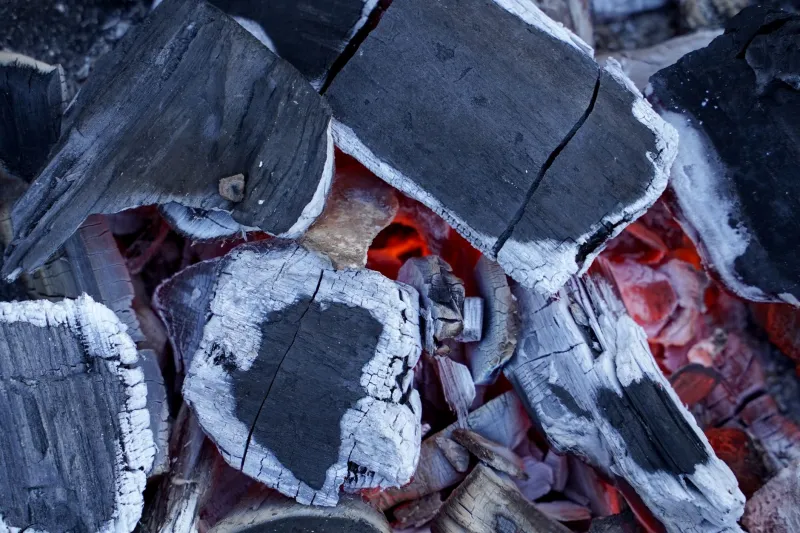
Equipment is only part of the story. The democratization of premium charcoal has been equally transformative. A decade ago, sourcing high-quality lump charcoal — the kind made from hardwoods such as mesquite, oak, or cherry rather than compressed sawdust and binders — required either a specialty retailer or a commercial supplier. Today, artisan charcoal producers ship directly to consumers across the country. Companies like Fogo, Jealous Devil, and Rockwood have built loyal followings among home cooks who treat fuel selection with the same seriousness a chef applies to sourcing proteins.
The distinction matters. Premium lump charcoal burns hotter and cleaner than standard briquettes, produces less ash, and imparts a more nuanced smoke character to food. For home cooks pursuing restaurant-quality results, the choice of fuel has become as deliberate as the choice of wood in a professional hearth kitchen. Some enthusiasts now maintain a small inventory of different charcoal types, selecting each based on the protein or vegetable being cooked — much as a chef might choose between applewood and post oak depending on the dish.
Community as Curriculum
Perhaps no single factor has accelerated this movement more than the formation of dedicated online communities. Platforms such as Reddit's r/grilling and r/smoking, along with Facebook groups devoted to specific equipment brands, have created informal but remarkably effective schools of fire craft. Members share temperature logs, post detailed cook journals, troubleshoot problems in real time, and debate the merits of different charcoal arrangements with a precision that would not be out of place in a culinary school classroom.
Social media has layered visual aspiration on top of this technical foundation. On Instagram and YouTube, channels dedicated to live-fire cooking have accumulated audiences in the hundreds of thousands, with creators demonstrating techniques borrowed directly from professional kitchens: reverse searing, two-zone fire management, dry-aging at home before the cook, and the careful manipulation of vents to control combustion. The effect has been a rapid elevation of baseline knowledge among enthusiastic amateurs.
"Five years ago, a home cook asking about the Maillard reaction in the context of charcoal grilling was unusual," says one culinary educator who consults with both restaurant clients and passionate home cooks. "Now it comes up constantly. People are reading the same research that professional chefs read, and they're applying it at home."
The Restaurant Influence
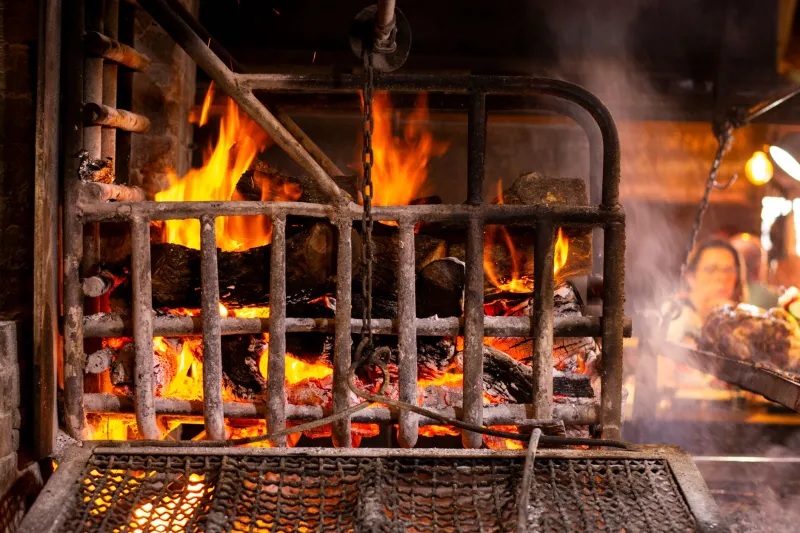
The fine dining world has played a direct and acknowledged role in this shift. As charcoal and live-fire cooking moved from the margins to the center of American restaurant culture — with chefs like Francis Mallmann, Victor Arguinzoniz, and their domestic disciples earning widespread recognition — a generation of diners began to understand fire not as a convenience but as an ingredient. They tasted the difference between food cooked over gas and food finished over glowing hardwood embers, and many decided they wanted to replicate that experience at home.
Some restaurants have leaned into this dynamic deliberately, hosting fire-cooking classes, publishing technique guides, and even partnering with equipment manufacturers to offer residential versions of their professional setups. The boundary between the restaurant kitchen and the home kitchen, once defined by equipment and expertise, has begun to blur.
The Backyard as Destination
For a subset of enthusiasts, the investment has gone beyond personal satisfaction. Home cooks across the country are hosting elaborate multi-course dinners organized around the live fire, treating their outdoor kitchens as the centerpiece of a genuine dining experience. Guests are invited not merely to eat but to observe the cook — to watch the fire built, to understand the logic of the heat zones, to appreciate the patience required to hold a whole leg of lamb over embers for three hours.
This theatrical dimension is not incidental. It mirrors what the finest charcoal-driven restaurants have long understood: that fire cooking is inherently compelling to watch, that the process itself is part of the pleasure. When a home cook positions their guests around an open Argentine grill on a summer evening, they are staging something that borrows directly from the vocabulary of fine dining — even if the setting is a patio in suburban Ohio or a rooftop in Brooklyn.
A New Standard
What is emerging, slowly but unmistakably, is a new baseline expectation for what serious home cooking can and should look like. The charcoal grill is no longer simply a tool for convenience; it is a statement of culinary values, an investment in craft, and an expression of the belief that the best food is produced through patience, attention, and the irreplaceable alchemy of fire.
The restaurants that built this culture should not be surprised to find their techniques and equipment appearing in the driveways and backyards of their most devoted guests. If anything, it is the sincerest form of culinary admiration — and a sign that the conversation about what live-fire cooking can achieve has moved well beyond the professional kitchen.