Burning Bridges with the Burner: How America's Top Restaurants Are Trading Gas for Glowing Coals
For decades, the gas range stood as the undisputed centerpiece of the professional American kitchen. Reliable, adjustable, and forgiving, it offered chefs the kind of mechanical certainty that Michelin-starred ambitions seemed to require. Turn the knob; the flame obeys. Reduce the heat; the pan responds within seconds. It was, in every practical sense, the logical choice.
So why are so many of the country's most decorated culinary establishments walking away from it?
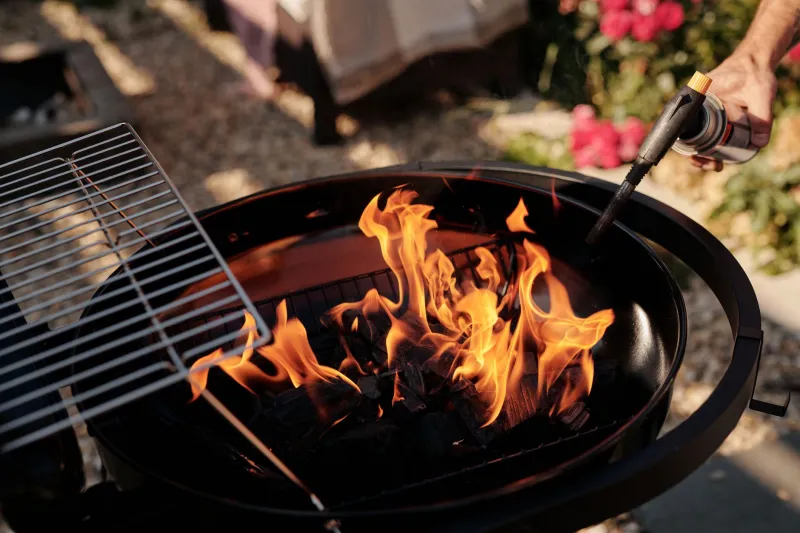
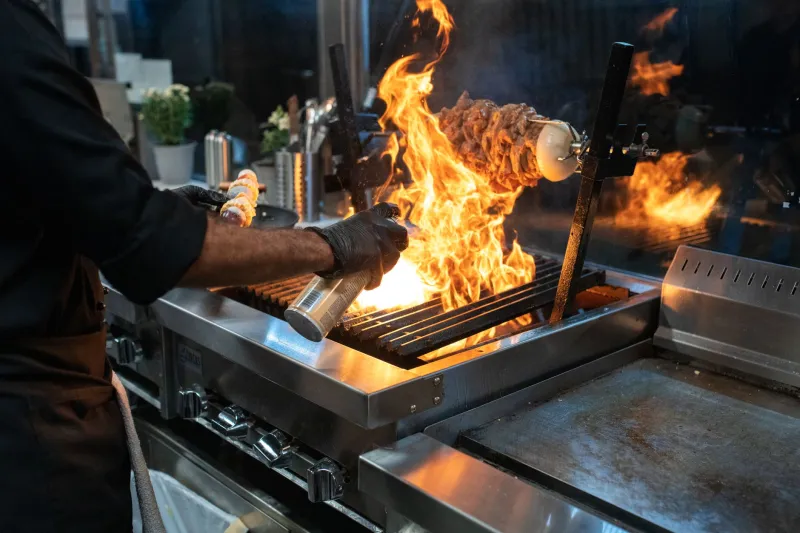
In cities from Charleston to Seattle, a growing number of high-end restaurants are dismantling their gas infrastructure — sometimes at extraordinary expense — and rebuilding their kitchens around charcoal hearths, wood-burning grills, and ember-driven cooking stations. The trend is neither a gimmick nor a nostalgia exercise. It represents a fundamental reconsideration of what fine dining should taste like, feel like, and stand for.
The Argument Against Convenience
Chef Marcus Delray, whose New Orleans-based restaurant earned its second James Beard nomination shortly after completing a full kitchen conversion to live fire, puts the case plainly: "Gas is a tool for managing food. Charcoal is a conversation with it."
That distinction — managing versus conversing — captures the philosophical core of the movement. Gas cooking, for all its efficiency, imposes the chef's will on the ingredient. Charcoal, by contrast, introduces variables that demand constant attention, intuition, and adaptation. The coals burn hotter at the center than the edges. Airflow changes the char. The fat dripping from a dry-aged ribeye creates micro-flare-ups that caramelize the crust in ways no gas burner can replicate. These are not flaws to be corrected; they are the point.
For chefs who have spent careers mastering the language of heat, charcoal represents a more demanding and ultimately more expressive vocabulary.
What the Numbers Actually Look Like
The romance of live fire is real, but so are the financial realities. Restaurant owners considering a gas-to-charcoal transition face a layered set of costs that extend well beyond the price of a custom hearth.
Ventilation infrastructure is often the first major hurdle. Charcoal produces significantly more particulate matter than gas, and municipal codes in most American cities require upgraded hood systems, additional filtration, and in some cases, full architectural modifications to comply with air quality regulations. In dense urban markets like New York and Chicago, these upgrades can run well into six figures before a single coal is lit.
Then there is the cost of charcoal itself. Premium lump charcoal — the kind preferred by serious culinary programs, made from hardwoods like oak, hickory, or mesquite — commands prices that can be three to five times higher per unit than the commodity briquettes familiar to backyard grillers. Restaurants operating at volume burn through substantial quantities each service, and sourcing relationships with quality suppliers must be cultivated carefully.
Labor costs shift as well. A gas line can be left unattended while a cook pivots to another station. A charcoal fire cannot. It must be tended, managed, and read continuously. That demands more skilled labor on the line, longer prep windows, and a kitchen culture built around patience rather than speed.
Training a Brigade for Fire
Perhaps the most underappreciated challenge in this transition is the human one. Most culinary school graduates enter the professional kitchen trained almost exclusively on gas and induction equipment. The muscle memory, the visual cues, the instinctive adjustments that define experienced cooking — all of it is calibrated to a world where heat is dialed in rather than coaxed out.
Chef Simone Alvarez, who oversees the culinary program at a nationally recognized fine dining group with properties in Austin and Nashville, describes the retraining process as "essentially teaching experienced cooks to listen again."
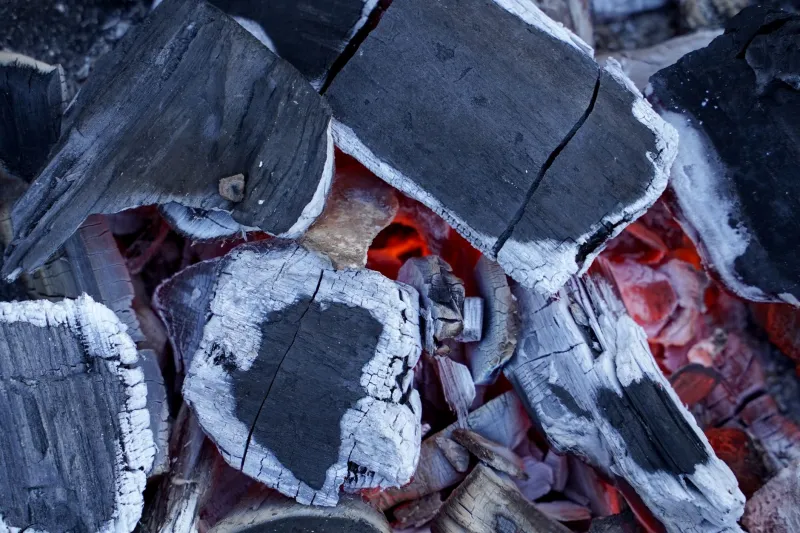
"When you cook with gas, you stop looking at the fire because there's nothing to look at," she explains. "With charcoal, you have to read the coals constantly — their color, their density, the way the smoke is moving. It takes months before a cook stops fighting the fire and starts working with it."
The training investment is substantial. Many restaurants operating serious charcoal programs now build apprenticeship-style stages specifically around fire management, sometimes bringing in specialists from the broader live-fire culinary world — including practitioners of Argentine asado, Japanese binchotan technique, and traditional Southern barbecue — to cross-pollinate skills and expand their kitchens' collective fluency.
What Guests Are Actually Tasting
Amid all the operational complexity, there remains the most fundamental question: does it matter on the plate?
The answer, according to both chefs and an increasingly sophisticated dining public, is an unequivocal yes.
Charcoal combustion produces aromatic compounds — guaiacol, syringol, and a range of phenolic derivatives — that bond with the surface of proteins and vegetables during cooking, creating flavor dimensions that gas simply cannot generate. The Maillard reaction, responsible for the deep browning and complex savory notes on a properly seared piece of meat, reaches its fullest expression over live coals, where the radiant heat is more intense and more direct than anything a gas burner produces.
Beyond chemistry, there is texture. The rapid, high-heat environment of a properly managed charcoal grill creates crusts of a character that chefs describe as structurally distinct — not merely browned, but genuinely sealed, with an interior that retains moisture more effectively than gas-cooked counterparts.
American diners, particularly in the upper tier of the market, have grown increasingly attuned to these distinctions. The rise of food media, culinary travel, and a broader cultural literacy around ingredients and technique has produced a guest who arrives at the table with genuine curiosity and, often, the vocabulary to articulate what they are experiencing.
The Deeper Commitment
What separates the restaurants truly committed to charcoal from those merely gesturing toward it is a willingness to reorganize everything — sourcing, scheduling, staffing, and even menu design — around the demands of the fire.
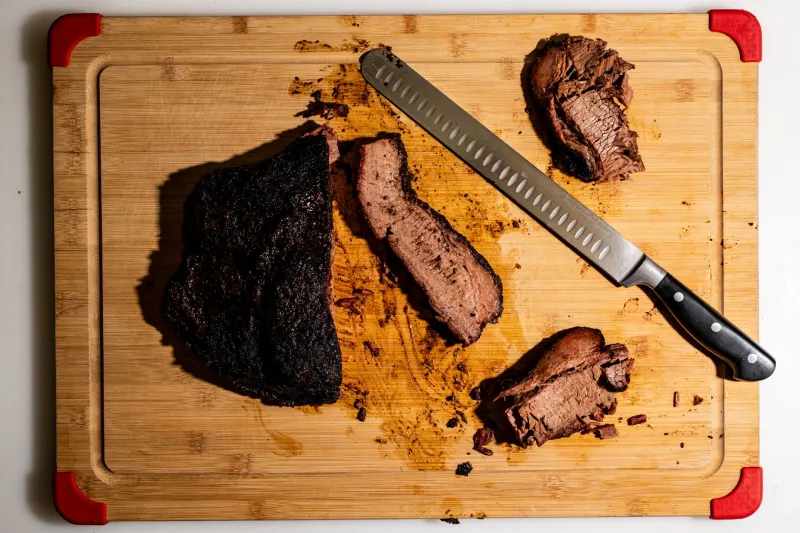
Menus at serious charcoal-driven establishments are frequently more seasonal and more constrained than their gas-kitchen counterparts, because the grill imposes its own logic on what cooks well and what does not. Delicate preparations that require precise, low, sustained heat are reconsidered or reimagined. Proteins that benefit from high-heat searing and rest — heritage breed pork, dry-aged beef, whole fish — are elevated to positions of prominence.
In this sense, the return to charcoal is also a return to a kind of culinary honesty: cooking shaped by the nature of the heat rather than the convenience of the equipment.
For the chefs leading this movement, that is precisely the appeal. Gas made the kitchen more controllable. Charcoal makes it more alive. And in the pursuit of food that genuinely moves people, alive — unpredictable, demanding, and irreplaceable — turns out to matter enormously.