Hidden Fires: The Underground Supper Clubs Putting Charcoal at the Center of American Fine Dining
In warehouses, private homes, and repurposed industrial spaces from Portland to Miami, a generation of bold culinary operators is quietly rewriting the rules of fine dining — one charcoal fire at a time. These underground and semi-legal supper clubs are not simply alternatives to conventional restaurants; they are laboratories where the boundaries of live-fire cuisine are pushed further than most brick-and-mortar establishments would dare. And increasingly, the dining world is taking notice.
The supper club is not a new American phenomenon. Private dinner gatherings operating outside formal restaurant licensing have existed in various forms for generations, from the prohibition-era speakeasies that fed hungry New Yorkers in secret to the intimate pop-up dinners that proliferated during the early 2010s food truck boom. What distinguishes the current wave is something more specific: a near-universal commitment to charcoal as the primary — and often sole — cooking medium, and a culinary ambition that rivals the finest tasting menus in the country.
Why Charcoal, and Why Now
The operators running these events are not hobbyists. Many hold serious professional credentials: former line cooks at celebrated restaurants, culinary school graduates who bypassed the traditional kitchen ladder, and self-taught obsessives who have spent years studying fire-based cooking traditions from Japan, Argentina, and the American South. What unites them is a conviction that charcoal cookery, freed from the constraints of commercial kitchen infrastructure, can achieve something genuinely extraordinary.
"A conventional restaurant kitchen is designed around gas," explains one chef who operates a monthly supper club out of a converted garage space in East Nashville. He requested anonymity given the semi-legal nature of his operation. "The ventilation, the equipment, the layout — all of it assumes a gas flame. When I cook over charcoal in my own space, I'm not fighting the infrastructure. The fire is the infrastructure."
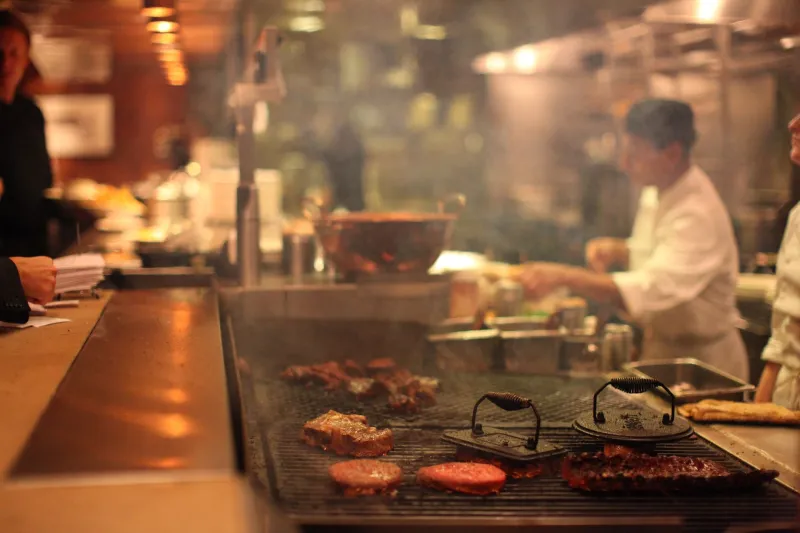
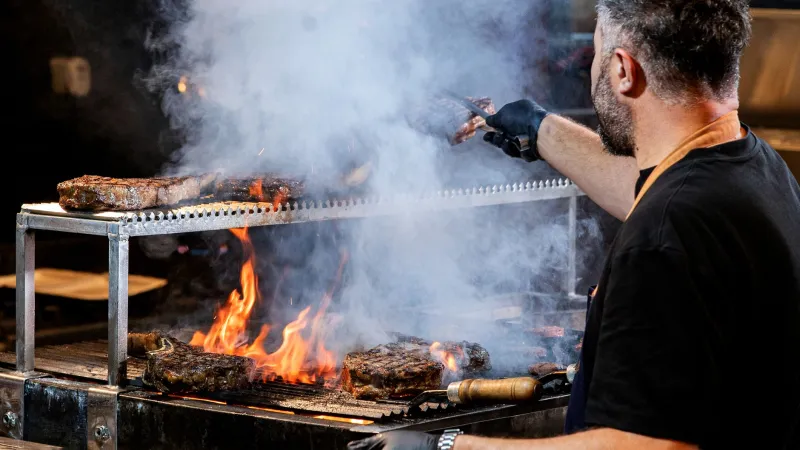
This freedom from conventional kitchen design is not merely logistical. It reshapes the entire dining experience. Guests at these events often sit within proximity of the cooking fire itself — smelling the smoke, hearing the char, watching the cook respond to the live heat in real time. The boundary between kitchen and dining room, so carefully maintained in formal restaurant settings, dissolves entirely. The result is an intimacy that no amount of interior design can manufacture.
Navigating the Regulatory Gray Zone
The legal landscape surrounding private dining events in the United States is, to put it diplomatically, complicated. Regulations vary dramatically by state and municipality. In some jurisdictions, a private supper club operating by invitation, with no posted prices and no formal ticket sales, may exist in a genuine gray area — technically not a restaurant and therefore not subject to restaurant licensing requirements. In others, any exchange of money for food triggers a cascade of health, safety, and fire code obligations that make informal operation essentially impossible.
Most operators in this space are acutely aware of where they stand legally and take considerable precautions. Events are communicated through private mailing lists and word-of-mouth networks rather than public advertising. Payment is often structured as a "donation" or handled through membership arrangements that complicate the transactional nature of the exchange. Fire safety considerations — particularly pressing given that charcoal combustion is central to the operation — are taken seriously, often more seriously than the legal minimum would require.
"I've had conversations with my local fire marshal," says one operator running quarterly dinners in a Chicago loft space. "Not because I had to, but because I wanted to do this correctly. We have proper ventilation, appropriate extinguishing equipment, and a clear understanding of what we're doing. The charcoal isn't the risk — carelessness is the risk."
The tension between regulatory reality and culinary ambition is, for many operators, a creative constraint rather than a deterrent. Working within — or carefully around — limitations has always been a driver of innovation in American food culture.
The Menus That Fire Makes Possible
What these events actually serve is where the real story lies. Freed from the commercial pressures of a traditional restaurant — the need to turn tables, manage a full staff, and satisfy a broad public — supper club operators can pursue menus of extraordinary specificity and ambition.
One recurring dinner series in Los Angeles, operating out of a private residence in the Silver Lake neighborhood, has built a reputation for multi-course menus structured entirely around a single variety of Japanese binchotan charcoal. Each course is designed to showcase a different aspect of that charcoal's heat profile — from the searing intensity used on a single slice of A5 Wagyu to the gentle, sustained radiance employed in finishing a charcoal-kissed custard. The menu changes entirely with each event. The waiting list currently extends nine months.
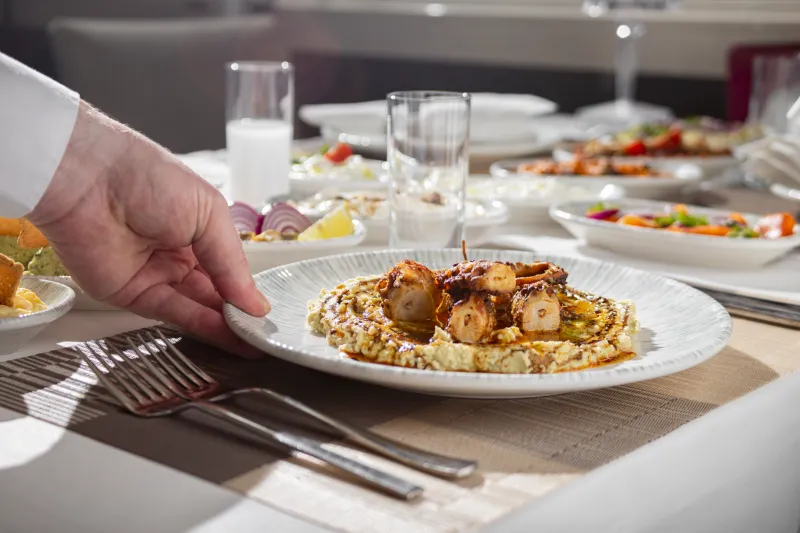
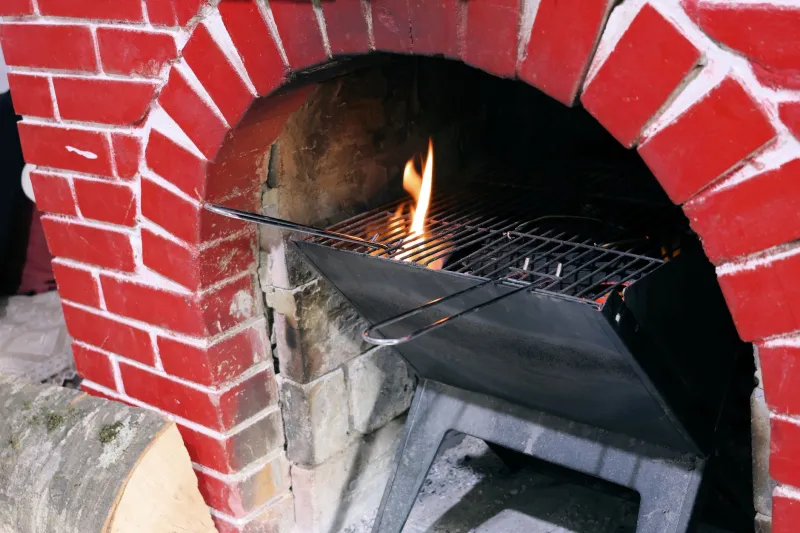
In Brooklyn, a collective of three chefs operates a pop-up series that fuses West African grilling traditions with contemporary fine dining technique, using a custom-built charcoal hearth as the centerpiece of every menu. Dishes rotate through fermented peppers charred directly on the coals, whole fish wrapped in banana leaves and buried in embers, and grain preparations slow-cooked in cast iron suspended above a banked fire. The cooking is technically demanding, culturally rooted, and deeply personal in a way that few restaurant menus manage to be.
A Challenge to the Conventional Model
The rise of charcoal-focused supper clubs raises a question that the established fine dining world is only beginning to grapple with: what does a restaurant actually need to be?
The conventional model — fixed address, professional kitchen, licensed staff, standardized service — exists for reasons that are partly practical and partly cultural. It signals legitimacy. It provides consistency. It offers the guest a recognizable framework within which to understand what they are paying for and what they can expect.
The underground supper club offers something different: the promise of an experience that is singular, unrepeatable, and entirely dependent on the judgment and skill of the person tending the fire. There is no menu online to review in advance. There is no Yelp page to consult. The guest arrives trusting the cook absolutely, and the cook, in turn, is accountable to nothing but the quality of the work.
For a growing number of American diners — many of them deeply familiar with the conventional fine dining experience and seeking something beyond it — this proposition is more compelling than any tasting menu with a three-month reservation window.
The Fire Spreads
The operators running these events are not, by and large, interested in remaining underground indefinitely. Several have used their supper clubs as proving grounds for eventual brick-and-mortar concepts, leveraging the reputation and community they built in private settings to launch restaurants that carry the same fire-forward philosophy into a more formal context. The trajectory from hidden fire to public acclaim is becoming a recognizable path in American culinary culture.
What the charcoal supper club movement ultimately represents is something Charcoal Dining has always understood: that fire, in the right hands, is not a primitive tool but a sophisticated instrument. It does not require a Michelin-starred address to produce cuisine of genuine distinction. It requires skill, intention, and the willingness to stand close enough to the heat to feel it.